Perennial Purple Tree Collard
A tall growing, non heading member of the cabbage family, tree collards
were introduced to California, probably during the latter half of the
eighteenth century. They are nutritious and a 100 square foot bed can
provide four times more protein and eight times more calcium than the
milk produced from a fodder crop grown in the same area. In addition,
tree collards contain no oxalic acid; therefore, they may be eaten raw
without iron being tied up. Perennial Purple Tree Collard leaves are
rich in calcium (226 mg per cup, cooked), vitamins B1, B2, B9, and C
(which may be leached by cooking, however), as well as beta-carotene
(pro-vitamin A).
Read more: http://richardsfarms.vpweb.com/Tree-Collard-Information.html
Fooled You is a hybrid (F-1) variety of jalapeno with virtually no heat.
They have the flavor and appearance of jalapenos, but you can munch them like bell peppers. They are typically just a bit larger than regular jalapenos at about 3 ¼ inches long and 1 inch wide. The fruit is heavy, thick-walled, and will turn from green to red if allowed to mature on the plant. The plant will grow to just over 2 feet tall and many seed companies boast large yields in about 65 days.
Read more: http://davesgarden.com/guides/articles/view/1353/#ixzz2RhzxxjRB
Mouse Mellon
Tiny, 1 x 1/2 in. light-green fruits with darker mottling look like
watermelons for a doll house. The flesh is white, crisp, crunchy with a
slight lemony tartness. The flavor is closer to a cucumber than a melon.
One person described them as,"Cucumber with a bit of watermelon rind
and a squeeze of lemon juice." It is said that the missing crunch can
make people go off diets.
Read more: http://store.underwoodgardens.com/Cucamelon-_-Mouse-Melon-Melothria-scabra/productinfo/V1041/
Lemon Cucumber
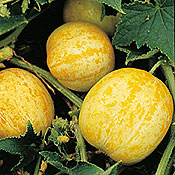
Yellow-colored, spherical, the dimensions of an ample fist. Yep, these
types of cucumbers appear like lemons (significantly, that’s a image of
cucumbers, lemon cucumbers, not really lemons). These are sweet, without
having that nasty side that a majority of cucumbers have got, thin
skins, minimum gentle seeds, as well as tasty. They’re delicious raw,
however create tasty pickles as well.
Read more: http://whiteonricecouple.com/recipes/lemon-cucumbers-with-pesto/
Strawberry Spinach
One of the more interesting plants we grow, or should I say, grows
itself is strawberry spinach, also called strawberry blite, beet berry,
Indian paint, and a number of other names. The plant is very cold hardy
but will thrive in the hottest weather. With a long taproot it can get
by on very little water, of course the more water it gets the larger the
fruit.
Ground Chery
The typical Physalis fruit is similar to a firm tomato (in texture), and like strawberries or other fruit in flavor; they have a mild, refreshing acidity.
Litchi Tomatoes
Because the plant itself is covered with thorns, it is sometimes used
as a hedge plant to discourage animals from wandering into vegetable
gardens — not a bad idea.
The fruits ripen dark red and are round
and somewhat bullet-shaped, tapering to a blunt point. The interior
flesh is yellow and full of tiny flat seeds that are arranged much the
same way as seeds in a cherry tomato. Thus, when eaten out of hand, the
raw fruit has the mouth feeling of raspberries. The actual flavor is
tart and refreshing, quite similar to a sour cherry, for which it can be
used as a relatively good substitute in pies.
Read more: http://www.motherearthnews.com/Real-Food/Litchi-Fruit-Morelle-De-Balbis.aspx#ixzz2RjYTsdlI
Moringa Oleifera and Moringa Stenopetala
Moringa, native to parts of Africa and Asia, is the sole genus in the flowering plant family Moringaceae.
The most widely cultivated species is Moringa oleifera, a multipurpose tree native to the foothills of the Himalayas in northwestern India and cultivated throughout the tropics. M. stenopetala, an African species, is also widely grown, but to a much lesser extent than M. oleifera.
Moringa grows quickly in many types of environments.
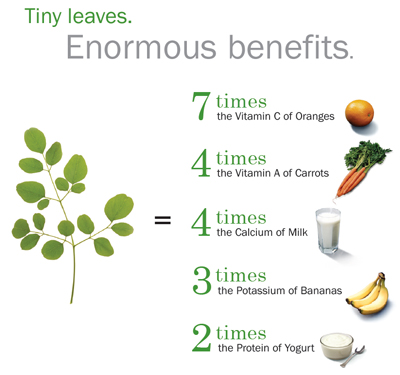
Much of the plant is edible by humans or by farm animals. The leaves are rich in protein, vitamin A, vitamin B, vitamin C and minerals
Do you have more that you would like me to add to this list?
Showing posts with label Planting. Show all posts
Saturday, April 27, 2013
Monday, April 8, 2013
Salad
Growing Communities is a community-led organisation based in Hackney, North London, which is providing fresh food to urban communities in a sustainable way. The list of ingredients you might find in one of their salad bags is incredible.
Many of these are considered <weeds.>
I hope this gives you some ideas for your salad garden!
Red-Veined Sorrel
Chives
Cornet de Bordeaux
Quite a list! Here are some more.
Water Cress
Sunday, March 24, 2013
Oyster Mushrooms
First I want to say Paul Holowko is one of my favorites. Check out his other videos.
In this video Paul demonstrates how to grow your own oyster mushrooms. It takes a while, but what fun especially if you have kids!
Thursday, February 14, 2013
What's Growing Now - February 2013
Today is February 14th. It is expected to range between 39 - 72. The slightly warmer temperature is causing the my watercress which were planted months ago to double in size within the past week. Watercress likes cool weather in the low 50F. I will be planting more of it outside in my bioponic system.
| Nasturtium (Tropaeolum majus) |
Nasturtium is very similar to watercress, but they do not like freezing temperatures. This beautiful eatable flower will benefit other crops and will grow during the Summer if kept shaded with plenty of water.
Nasturtium can be started indoors about 2 weeks before the last frost which is mid March for Chico, CA so I plan to direct sow my seeds a few weeks from now, but I already have a dozen started indoors.
Early February 2-8 I started 7 trays of
Heirloom, Five Color Silverbeet Swiss Chard from Australia - Seed Savers Exchange
Petite Mixed Color - Marigold - Lowes #l6567
Heirloom, Nasturtium - - Cornicopia
Heirloom, Strawberry Spinach- Seed Savers Exchange
Thai Basil - Siam Queen - Ed Hume Seeds
Hybrid, Super Sweet Tomato - Cornicopia
Super Bush Tomato - Renee's Garden
Crimson Carmello Tomato - Renee's Garden
Big Beef Beefsteak Tomato - Renee's Garden
Heirloom, San Marzano Tomato - Baker Creek Heirloom Seed Co.
Heirloom, Cal Wonder Red Bell Pepper - Seeds of Change
Peperone Yellow Bell Pepper - Franchi Sementi
and I put small white, red, and purple potatoes from the grocery store in one of my hugelkulture beds along with Yukon Gold and Adirondack Blue Potatoes from Van Zyverden and some carrots
Of course none of these are GMO.
Tuesday, February 12, 2013
Ramdom Tips
Here's a great idea for dealing with long lanky tomato starts. Lay the start on the ground a day or two before transplanting. The stem will curve upward allowing you to transplant into a shallow trench
You may have a SEED LIBRARY near you! CLICK HERE
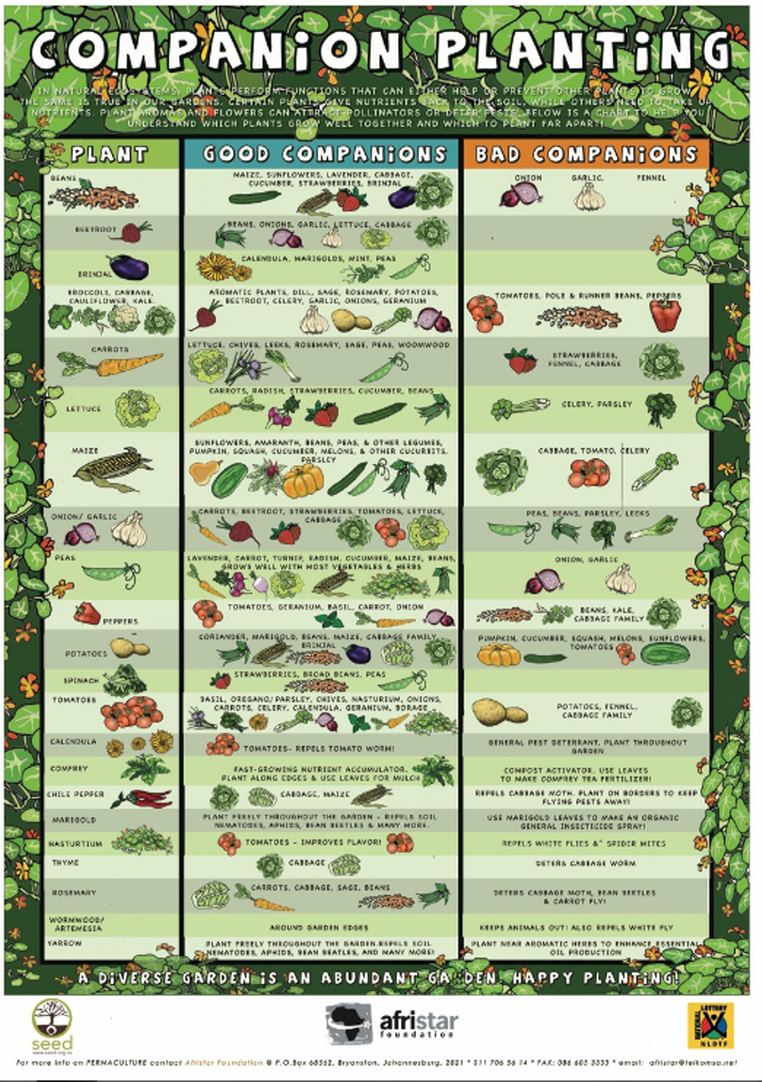
Below are some good charts to help you plant.
Click on the link for a full size image.
Companion Planting Chart
A simple worm count of a shovelful of soil will indicate the general health of your farm or garden plot—no lab tests are needed. If your worms are abundant, well fed and happy, then your soil organisms will be providing the good tilth and proper soil chemistry to grow strong, productive plants. Simple, really.
- Don Chapman
National Sustainable Agriculture Information Service - Lots of good information1
A good planting schedule Urbanfarm.org/Planting_Calendar.pdf
by mhpgardener
You may have a SEED LIBRARY near you! CLICK HERE
Below are some good charts to help you plant.
Click on the link for a full size image.
![]() |
| This site offers more information |
![]() |
| This image should print to a full page |
A simple worm count of a shovelful of soil will indicate the general health of your farm or garden plot—no lab tests are needed. If your worms are abundant, well fed and happy, then your soil organisms will be providing the good tilth and proper soil chemistry to grow strong, productive plants. Simple, really.
- Don Chapman
National Sustainable Agriculture Information Service - Lots of good information1
A good planting schedule Urbanfarm.org/Planting_Calendar.pdf
Thursday, January 31, 2013
Planting
These are some of my favorite sites.
RexResearch provides a great list for companion an antagonist plants
Almanac provides a good planting schedule Gardenate will also help you plant at the right time of the year.
Choose your zone (be sure to scroll down) and a planting schedule is provided for each month.
A radio broadcast on the Prepper Broadcasting Network.
Denob talks about heirloom, hybrib, GMO. At about 20:45 the talk turns to saving and planting seeds.
Another show about gardening from Denob "It’s time to start planning your garden!"
Denob plans to add more gardening shows this summer of 2013.
His archive list is at The Prepared Canadian
RexResearch provides a great list for companion an antagonist plants
Almanac provides a good planting schedule Gardenate will also help you plant at the right time of the year.
Choose your zone (be sure to scroll down) and a planting schedule is provided for each month.
A radio broadcast on the Prepper Broadcasting Network.
Denob talks about heirloom, hybrib, GMO. At about 20:45 the talk turns to saving and planting seeds.
Another show about gardening from Denob "It’s time to start planning your garden!"
Denob plans to add more gardening shows this summer of 2013.
His archive list is at The Prepared Canadian
Subscribe to:
Posts (Atom)